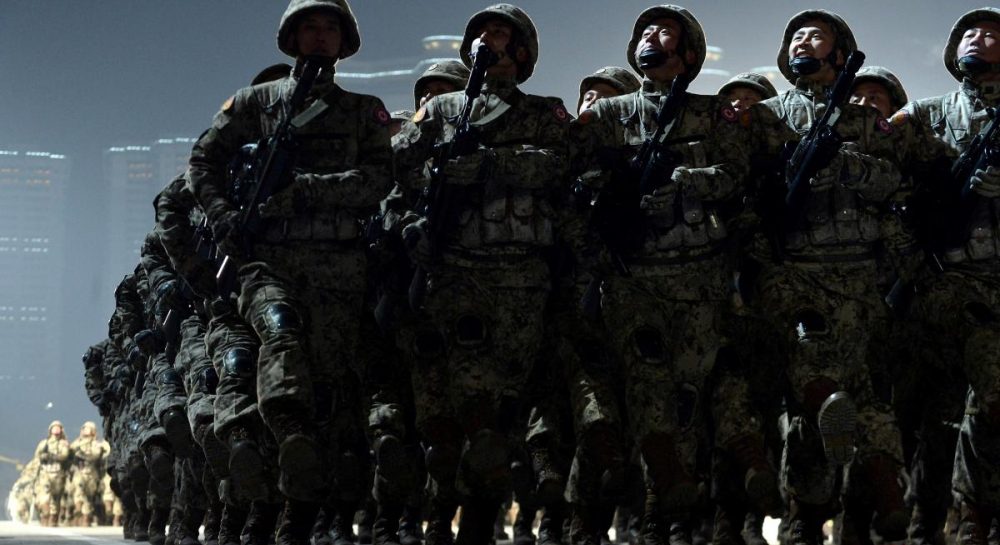
The Economist warns of deepening cooperation between Russia, China, Iran, and North Korea
The Economist highlights the formation of a de facto alliance among four nations actively exchanging military technology and intelligence.
 🇺🇦Ukraine
Photo: UNIAN
Key points
- Deepening military and technical cooperation
- Over 600 documented cases of security interaction
- Lack of a formal military alliance despite high coordination
The international community is increasingly focused on the growing ties between Russia, China, Iran, and North Korea. According to The Economist, these authoritarian regimes have moved toward more coordinated actions, sharing intelligence, military hardware, and strategies to circumvent international sanctions.
Practical cooperation over formal alliances
While this group lacks a formal structure like NATO, with unified command or mutual defense obligations, their level of coordination has surged since 2022. The FDD analytical center has documented over 600 instances of security cooperation between these nations from 2019 to 2025.
Analysts note that even without a formal military pact, the mutual support provided by these regimes makes them significantly more dangerous, complicating Western efforts to contain them individually.
However, the publication points out that the interests of these "axis" members do not always align. For instance, China’s desire for stability in the Middle East often clashes with Russia’s interest in regional volatility. Despite these internal frictions, the common goal of countering Western influence remains the primary driver of their partnership.
Source UNIAN — unian.ua/world/rosiya-knr-iran-ta-pivnichna-koreya-stvorili-neforma… ↗
Read next
 👥Society
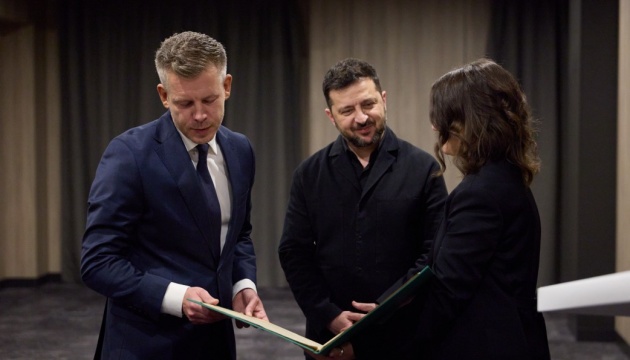
Zelensky presents Hungarian politician Magyar with 1942 archival newspapers from Mukachevo
During a meeting in Zakarpattia, Ukrainian President Volodymyr Zelensky presented Hungarian government head Magyar with historical documents mentioning his great-grandfat…
 🛡️Security
Court upholds detention of woman posing as paramedic during military facility blockade
The Kyiv Court of Appeal has denied an appeal from a woman accused of obstructing the National Guard during an incident in Petropavlivska Borshchahivka.
 🛡️Security
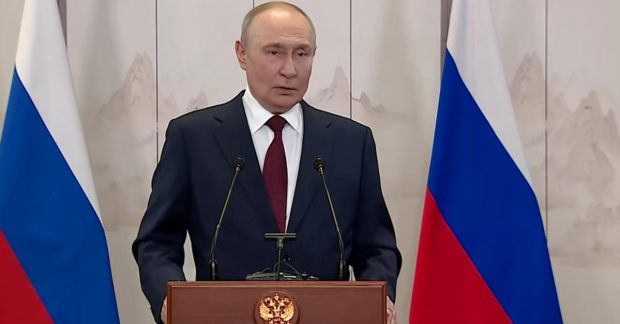
Russia threatens retaliation for refinery attacks despite claims of fuel market stability
Vladimir Putin has vowed retaliation for strikes on Russian oil refineries, while acknowledging complexities in the energy sector.
 💼Economy
How to optimize holiday spending: tips for residents of Svaliava before the New Year
Ahead of the winter holidays, experts recommend careful budget planning to avoid unnecessary spending on groceries, gifts, and decor.
 🏛️Politics
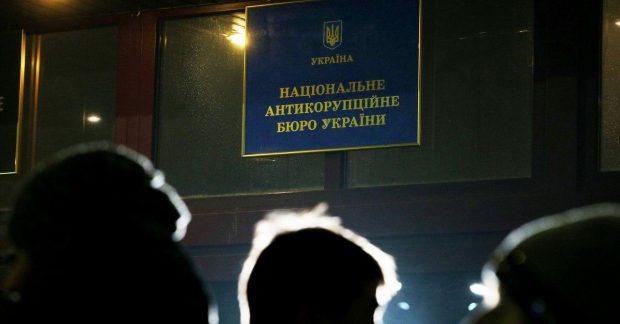
Debate on the accountability of anti-corruption bodies: Martyna Bohuslavets' position
Activist Martyna Bohuslavets stated that foreign business trips of NABU and SAPO heads are a valid reason for missing parliamentary commission meetings.
 🏛️Politics
Ombudsman Opens Proceedings Over Ignored Petition for Zelenskyy's Press Conference
The Human Rights Commissioner launched an investigation due to the lack of response to journalist Danylo Mokryk's petition regarding an open presidential press conference…